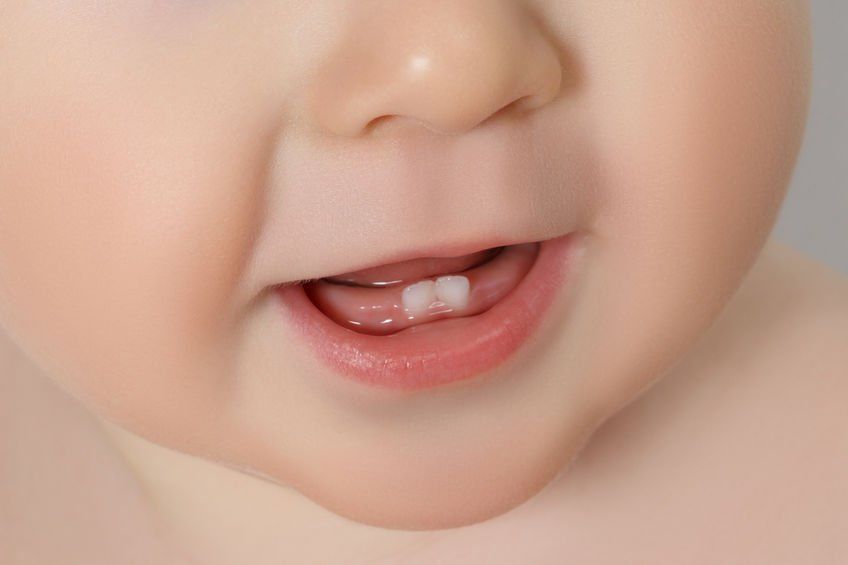
拯救宝宝牙齿的 5 个独特理由

Intercept Healthcare • May 4, 2021

拯救宝宝牙齿的 5 个独特理由

Intercept Healthcare • May 4, 2021

拯救宝宝牙齿的 5 个独特理由

Intercept Healthcare • May 4, 2021

乳牙对婴儿和儿童的重要性不亚于恒牙对年长儿童和成年人的重要性。乳牙和恒牙一样容易蛀牙和龋齿,因此治疗乳牙的方法也应该类似。 


50% of parents do not actively pursue dental treatment for decayed baby teeth as they feel they will ultimately “fall off”. But did you know that could be very harmful for your child in the long run. 


将拔除乳牙或乳齿作为最后手段的原因:

1) 乳牙对咀嚼至关重要

特别是在成长期,人们对适当的营养不够重视。孩子需要乳牙来有效咀嚼食物,帮助补充营养。乳牙对于预防儿童营养不良至关重要。

2) 语言和面部发育

发音时,舌头、嘴唇和脸颊会偏离牙齿。乳牙的存在和正确位置有助于在说话时形成正确的发音。牙齿结构还能为正在发育的面部肌肉提供支撑,并塑造孩子的脸型。
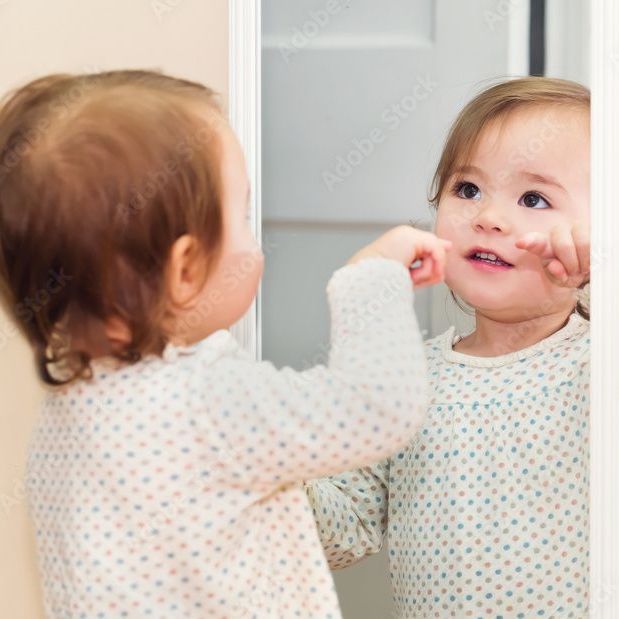
3) 全面的个性发展和自尊

许多研究报告显示,由于乳牙缺失而导致语言缺陷或因外表而害羞的儿童更容易出现情绪和心理问题。蛀牙或缺牙还会影响儿童的社会交往,影响他们的自信和自尊。这还会导致儿童缺课,从而阻碍他们的成长和发展。 
4) 它们是天然的 "空间维护者

乳牙还有一个非常重要的作用--为孩子未来的恒牙保留空间。


A baby tooth usually remains in the child's mouth until a permanent tooth underneath it is ready to emerge through the gums.  If a child loses a tooth too early, before the permanent tooth is ready to erupt or if it is accidentally knocked out, or is
removed by the paediatric dentist because of disease, the space must be saved. If teeth on either side of the open space encroach upon the empty space, there may not be room for the permanent tooth which might then erupt in an abnormal position or angle. Such maloccluded teeth are difficult to clean, have greater chances of becoming diseased, and later might require expensive and time-consuming orthodontic treatment.


如果能尽可能长时间地保留乳牙,所有这些问题都可以避免。
5) 银行乳牙!

父母和孩子们通常会保存掉落或拔掉的乳牙,作为记忆或牙仙的友好访问!然而,科学家们也提倡这样做,但原因却完全不同。

现在已经证明 乳牙是干细胞的丰富来源如果需要,可以采集并用于培育其他多种细胞。这意味着,如果您的孩子在未来某个阶段需要替代组织或组织移植,他们乳牙中的干细胞可用于手术!

因此,作为孩子的决策者,父母必须知道乳牙是多么重要的资产!必须尽一切努力保持乳牙的健康和无龋齿,使它们能够一直保存到自然脱落。这不仅能确保孩子拥有更整齐的笑容,还能确保孩子拥有健康的口腔和快乐的心情! 


关于我们的诊所

在凯瑟琳-李博士口腔正畸诊所,我们拥有一支由医生和员工组成的专业团队,他们的技术和经验帮助我们的患者享受创造更健康、更美丽笑容的过程。我们非常关注儿童的成长,尤其欢迎需要儿童牙齿矫正和牙科治疗的患者前来就诊。如需咨询,请通过以下方式联系我们 enquiries@DrCatherineLeeOrthodontics.com.

Dentist examining teeth model
By Intercept Healthcare September 24, 2025
The main difference between a dentist and an orthodontist lies in their training and the type of care they provide. Here's a clear comparison:
Asian child with braces
By Intercept Healthcare September 23, 2025
Deciding whether braces are worth the cost depends on your goals, budget, and how much the potential benefits matter to you. Here's a clear look at the pros and cons, so you can make a well-informed decision: Pros of Getting Braces 1. Improved Appearance Straight teeth boost confidence in social, professional, and personal situations. Corrects gaps, crowding, and crooked teeth. 2. Better Oral Health Straight teeth are easier to clean , reducing the risk of: Cavities Gum disease Bad breath 3. Corrected Bite and Jaw Alignment Braces fix: Overbite, underbite, crossbite Jaw strain, uneven wear on teeth TMJ (jaw joint) problems in some cases 4. Improved Speech and Chewing Misaligned teeth can affect how you pronounce words or chew food efficiently. 5. Long-Term Savings Braces can help you avoid future costly procedures like: Crowns, implants, or jaw surgery Gum treatments due to bone loss from misaligned teeth 6. Options for All Ages Modern braces (ceramic, Invisalign) are more discreet and suitable for adults, not just teens. Cons of Getting Braces 1. Cost Braces can range from $3,000–$7,000 or even more , depending on patient age, type of braces and complexity of case. Insurance may only cover part, or none, of the treatment. 2. Time Commitment Treatment usually takes 12 to 24 months , sometimes longer. Requires regular appointments every 4–8 weeks. 3. Discomfort You may experience: Soreness after adjustments Cuts or irritation from brackets and wires Speech changes (especially with some appliances) 4. Oral Hygiene Challenges Braces can make brushing and flossing more difficult. Improper cleaning can lead to white spots, plaque, or gum issues . 5. Diet Restrictions You'll need to avoid sticky, hard, or chewy foods that can break brackets. 6. Relapse Risk Without wearing retainers after treatment, teeth can shift back over time. So, Are Braces Worth It? Braces are usually worth it if: You’re concerned about appearance, bite, or long-term dental health. You want to invest in a permanent solution for alignment issues. You're ready to commit to the treatment process and aftercare. Braces might not be worth it if: The alignment issue is minor and not affecting your health or confidence. The cost is prohibitive, and more affordable cosmetic alternatives (e.g. limited Invisalign) could suffice. You aren’t able or willing to maintain the oral care needed during treatment.
By Intercept Healthcare September 17, 2024
As a result of the Covid-19 pandemic, many countries around the world have imposed deferment of all non-emergency or routine dental care. Wondering how this is affecting you and your family? Dental clinics are a unique place. All the check-ups, orthodontic adjustments, cleaning and fillings require a patient to open their mouth for a prolong period of time. This has become an ideal channel for the spread of the COVID-19 virus; especially with dental procedures involving aerosol generation, spreading micro-droplets from the mouth into the air. Hence health authorities in many countries have restricted the practice of dentistry, to only attend to essential services like dental emergencies. So now, you’re in a situation where you or your child has not been able to see a dentist for a long time to do a regular dental check-up, teeth cleaning, or to fix a long-standing cavity in the mouth... and the problem tooth is starting to hurt. Is this regarded as a dental emergency? What is a Dental Emergency? A dental emergency is any pain, infection, broken teeth, fillings, braces, wire poking or retainers causing pain interfering with daily lives are considered as dental emergency. As for children, they may not be able to accurately verbalize their dental pain, and may be difficult for parents to identify the extent of their discomfort. Here are a few tell-tale signs you can look out for in your child before contacting your kid’s dentist : Avoiding hot or cold foods Loss of appetite Keeps touching his/her face or mouth Crying more than usual, at trivial matters Disturbed sleep, inability to wake up in the morning Constantly putting finger/foreign objects in the mouth Not focused on studies or daily activities Bad breath that won’t go away despite brushing Bleeding gums or blood while brushing Ulcers forming in the mouth If you are suspicious, you may first contact your dentist or your kid’s dentist over the phone, do a virtual consultation or tele-consultation, and share some photos if possible. The kids dentist or pediatric orthodontist will be able to advice on your next step of action.
更多帖子