
 영어
영어 简体中文
简体中文 한국어
한국어

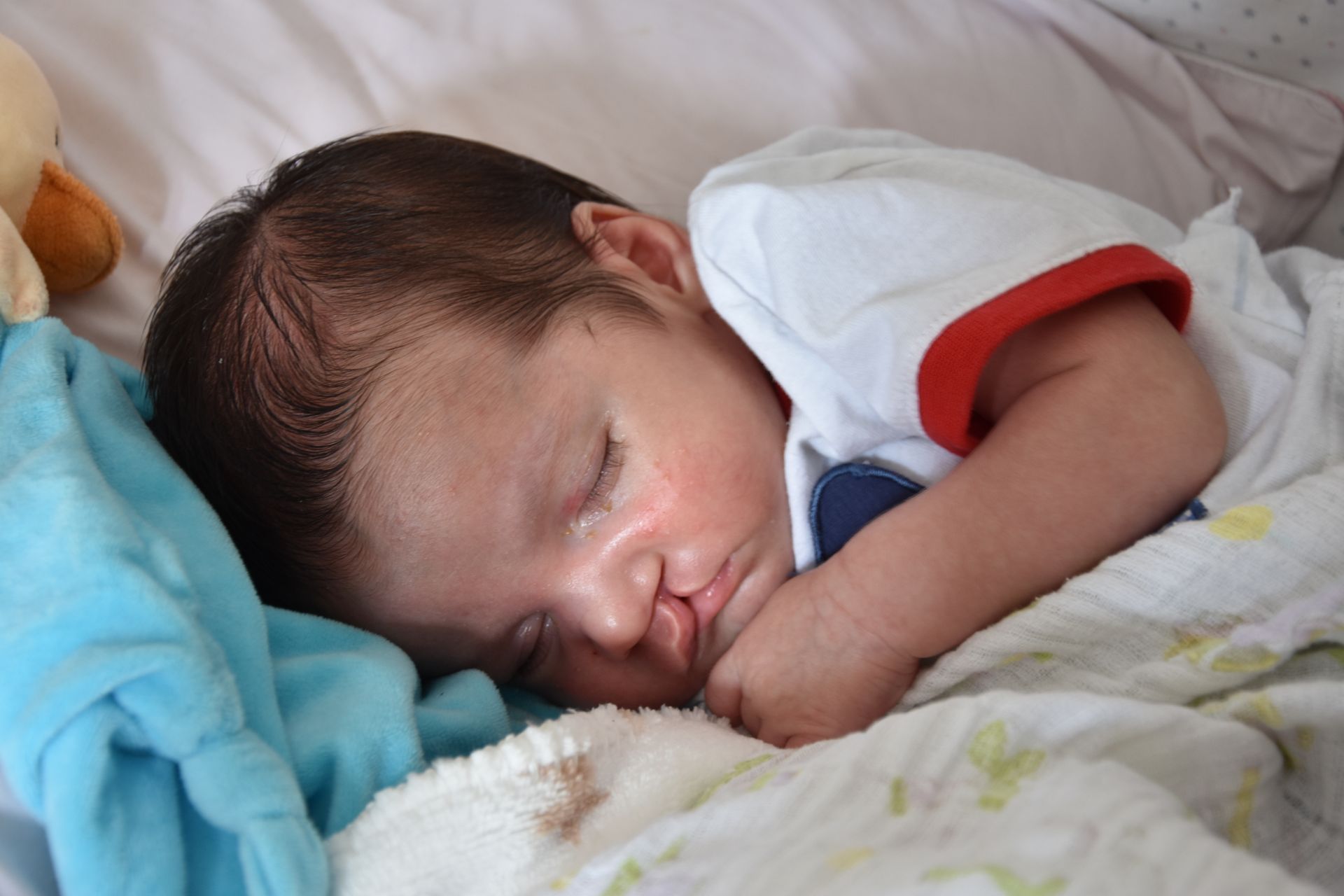
When parents first learn that their baby has been born with a cleft lip or palate, their immediate focus is often on surgery.
Questions come quickly:
- When will my baby need surgery?
- Will my baby be able to feed properly?
- Will my child speak normally?
- Will they look different as they grow?
- How many procedures will they need?
These concerns are entirely understandable.
For many families across Singapore, Malaysia, Indonesia, and Southeast Asia, the first few months can feel overwhelming as they navigate feeding challenges, surgical consultations, speech concerns, and uncertainty about the future.
What many parents do not realise is this:
Cleft treatment is rarely a one-time surgery—it is often a carefully coordinated journey that spans infancy, childhood, adolescence, and sometimes adulthood.
While surgery plays a critical role, long-term success often depends on something many families do not hear enough about early on:
Orthodontic planning.
Teeth, jaw growth, facial development, speech function, and long-term stability are deeply interconnected in children born with cleft lip and palate. Without careful orthodontic guidance at the right stages of development, patients may face avoidable complications, more extensive surgeries, and less predictable long-term outcomes.
Our clinic regularly supports families from Singapore, Malaysia, Indonesia, and across Southeast Asia who are seeking structured long-term treatment planning for cleft and craniofacial conditions. Many families travel because specialised cleft orthodontic expertise may not always be readily available locally. Others seek second opinions when they want clarity on their child’s long-term treatment roadmap.
The goal is not simply straight teeth.
The goal is to create the best possible functional, facial, and long-term outcome for your child.
Understanding Cleft Lip and Palate as a Long-Term Condition
Cleft lip and palate occur when tissues of the lip, upper jaw, and/or palate do not fully fuse during early pregnancy.
This can affect:
- The lip
- The nose
- The gum ridge (alveolus)
- The roof of the mouth
- Dental development
- Speech development
- Facial growth
Every cleft is different.
Children may be born with:
- Cleft lip only
- Cleft palate only
- Unilateral cleft lip and palate
- Bilateral cleft lip and palate
- More complex craniofacial conditions
Children born with clefts may experience:
- Missing teeth
- Extra teeth
- Teeth erupting in abnormal positions
- Narrow upper jaws
- Crossbites
- Jaw growth discrepancies
- Speech difficulties
- Feeding challenges
- Facial asymmetry
These challenges evolve—which is why treatment must evolve too.
Why Treatment Extends Beyond Initial Surgery
Many families assume treatment is largely complete after lip and palate repair. In reality, surgery is often just the beginning.
As your child grows:
- Adult teeth begin erupting
- Jaw growth patterns become clearer
- Speech development continues
- Missing teeth may need replacement
- Bite problems may become more obvious
- Facial growth changes during puberty
Without long-term planning, treatment becomes reactive rather than proactive.
For families outside major cities in Southeast Asia, access can be another challenge.
Some children receive excellent surgical care locally but may not have access to orthodontists with specialised cleft experience.
Others receive conflicting advice from multiple providers regarding:
- Braces timing
- Bone graft timing
- Jaw surgery
- Missing tooth replacement
This is why many families seek second opinions regionally.
Why Not Every Orthodontist Treats Cleft Lip and Palate Patients
Many parents understandably assume that any orthodontist can manage cleft-related treatment because braces appear to be the main focus.
This is not always the case.
Cleft orthodontics is significantly more complex than routine orthodontic treatment for crooked teeth.
Children born with clefts may have:
- Missing teeth
- Extra teeth
- Teeth erupting through scar tissue
- Bone defects
- Jaw growth deficiencies
- Facial asymmetry
- Complex bite issues
- Future surgical needs
Managing these patients requires far more than aligning teeth.
A clinician involved in cleft care must understand:
- Pre-surgical infant orthopaedics (NAM)
- Surgical timing
- Alveolar bone graft planning
- Growth prediction
- Jaw surgery planning
- Speech considerations
- Long-term facial development
Poor timing may complicate future surgery.
Good planning may reduce future treatment burden.
Why Subspecialty Training Matters
After completing orthodontic specialist training, some orthodontists pursue additional subspecialty training in cleft and craniofacial care.
This often involves working within major multidisciplinary craniofacial centres where they manage complex facial conditions from infancy through adulthood.
Not all orthodontists have this level of experience.
This specialised training helps clinicians anticipate future problems before they become more complex.
Why Families Travel Across Borders for Complex Cleft Care
Over the past 25 years, Dr Catherine Lee has treated complex cleft and craniofacial patients across multiple stages of care—from newborn NAM treatment to adolescent jaw planning and adult reconstruction.
Her experience includes:
- Managing complex cleft lip and palate cases
- Craniofacial anomalies
- Facial trauma-related reconstruction
- Multidisciplinary team care
- International collaboration and education
She currently serves as a council member of the International Society of Craniofacial Surgery, representing orthodontics within multidisciplinary craniofacial care.
Her work focuses on improving collaboration between orthodontists and craniofacial teams globally, while helping families navigate highly complex treatment journeys.
In addition to caring for families across Singapore, Malaysia, Indonesia, and Southeast Asia, she has increasingly received referrals and second-opinion cases from
established cleft teams and specialists in:
- Australia and New Zealand
- United States
- Europe
- Korea
- Japan
These referrals often involve highly complex cases where families are seeking additional orthodontic professionals or alternative perspectives on long-term treatment planning.
Her work focuses on improving global collaboration between orthodontists and craniofacial teams while expanding access to specialised care.
Learn more about Dr Catherine Lee’s background here:
Learn More About Dr Catherine Lee
Early Stage Care: Pre-Surgical Infant Orthopaedics (NAM)
One of the earliest orthodontic interventions is **Nasoalveolar Molding (NAM).**
What NAM Does
NAM helps:
- Bring gum segments closer together
- Improve nasal symmetry
- Reduce cleft width
- Improve feeding support
- Improve surgical conditions
The appliance is adjusted regularly during infancy.
Because newborn tissues are highly adaptable, early intervention is critical.
How NAM Helps Surgery
NAM may help surgeons achieve:
- Better lip repair outcomes
- Better nasal symmetry
- Reduced tissue tension
- Improved long-term facial symmetry
Alveolar Bone Grafting: Where Orthodontics Fits In
When the cleft extends into the gum ridge, bone grafting may be necessary.
Why Bone Grafting Is Needed
Without sufficient bone:
- Teeth may not erupt properly
- Teeth may become unstable
- Gum defects may persist
- Future implants may be difficult
Orthodontic Preparation Before Grafting
Before surgery, orthodontists may:
- Expand the upper jaw
- Align nearby teeth
- Create space
- Improve surgical access
Post-Grafting Orthodontics
After healing:
- Teeth may be guided into the grafted area
- Alignment continues
- Missing teeth are assessed
- Bite correction continues
Childhood Phase: Guiding Growth and Tooth Eruption
During childhood, orthodontists monitor:
- Missing teeth
- Extra teeth
- Delayed eruption
- Crossbites
- Jaw growth
Early intervention may include:
- Palatal expansion
- Crossbite correction
- Space management
Adolescent Phase: Bite Correction and Facial Balance
Teenagers often require full orthodontic treatment.
This may include:
- 교정기
- Aligners (selected cases)
- Surgical planning
- Bite correction
Some patients may require jaw surgery after growth is complete.
However, good early planning may reduce the extent of surgery required later.
Adult Phase: Final Adjustments and Long-Term Stability
Adults may require:
- Minor orthodontic refinements
- Dental implants
- Bridges
- Cosmetic refinements
- 리테이너
Long-term stability remains essential.
Understanding the Cost of Cleft Treatment in Southeast Asia
Costs vary depending on:
- Number of surgeries
- Orthodontic treatment required
- Speech therapy
- Bone grafting
- Dental implants
- Whether care is provided locally or internationally
Many families choose surgery locally while seeking specialist orthodontic care elsewhere.
Frequently Asked Questions
Can my child have surgery in one country and orthodontics in another?
Yes. Many families coordinate care internationally.
When should NAM begin?
Ideally, within the first few weeks of life.
Will my child definitely need jaw surgery?
Not always. Early orthodontic planning may reduce future surgical burden.
How often do international patients need appointments?
This varies by treatment stage, but many appointments can be spaced several months apart.
Why Early Planning Changes Everything
Cleft care is a marathon—not a sprint.
The earlier families receive structured orthodontic guidance, the better prepared they are for each stage of treatment.
Long-term planning can help:
- Improve surgical outcomes
- Reduce complications
- Improve speech development
- Improve facial balance
- Reduce unnecessary procedures
- Improve long-term stability
Most importantly, it gives families clarity during what can otherwise feel like an overwhelming journey.
If your child has been diagnosed with cleft lip and palate—or if you are seeking a second opinion from anywhere in Singapore, Malaysia, Indonesia, or beyond—our team is here to help guide your family through every stage of treatment.
Book a consultation to better understand your child’s long-term cleft treatment roadmap.